
MEDUSA MAAS
Use cases
Medusa Project demonstration.

MEDUSA MAAS
Medusa Demonstration
To validate MEDUSA, we focus on two industries: electrical manufacturing and mechanical components manufacturing. As a result, we have two use cases, one based on each of the aforementioned categories and leveraging two established B2B markets, bee produced and Digital Agora. The use cases also include industries operating within the defined sectors, each with its own set of demands and objectives that may be met by the MEDUSA framework’s functions.

MEDUSA MAAS
Mechanical Parts Manufacturing
In the series of use case scenarios deployed in the Mechanical Parts, we will focus, without losing generality, on Automatic Food Packaging machinery.
Use case scenario #M1: System parts remanufacturing
In this first scenario we want to demonstrate the capability of the MEDUSA framework to give access to a complex value chain in mechanical manufacturing with remanufacturing capabilities, while delivering scheduling, AI services and traceability through the DPP. The purpose is to determine whether these components can be remanufactured via a repair action or directly rebuilt as it was or even upgraded as premium component.

Use case scenario #M2: Pooling Resources in a Coopetition practice
In this use case, we consider the possibility for 2 businesses to share Human and Material Resources through a Coopetition practice enabled by the MaaS business model. We want to demonstrate how companies are pooling their resources through the servitisation of their tools and competencies.

MEDUSA MAAS
Electronic Manufacturing
In the series of use case scenarios deployed in the Electronic manufacturing, we will focus, without losing in generality, on Industrial Electronic Part Manufacturing.
Use case scenario #E1: From prototype to scale-up
Our goal is to showcase a complex value chain that integrates expert companies offering standard services with others adopting the servitisation of design resources and workshops. This use case illustrates the orchestration of multiple suppliers through a marketplace that provides access to a virtual Electronic Manufacturing System. Notably, it emphasizes full transparency and business coordination.
MEDUSA MAAS
Electronic and Mechanical Parts Manufacturing
In these scenarios we demonstrate the power of the MEDUSA framework by connecting two marketplaces since, with MEDUSA, we can consolidate multiple value chains, which is a unique feature of this framework.
Use case scenario #ME1: Machine upgrade
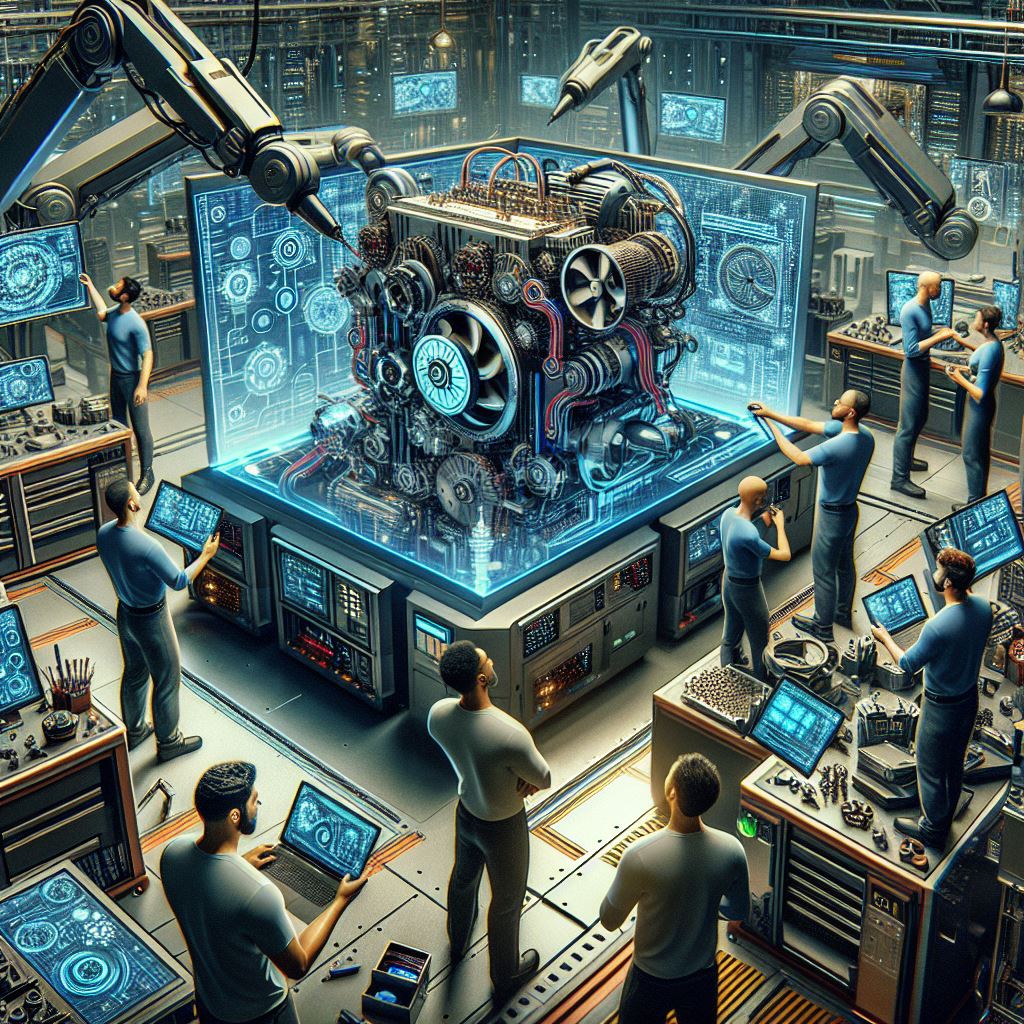
This scenario involves repair but also specific requests like machine upgrades where electronics redesign is required. This also requires a mechanical redesign of the surroundings of the electronics. Machine upgrade is then a use case where external suppliers could be beneficial for both electronics and mechanical parts manufacturing.

Use case scenario #ME2: Extending the value chain
In this scenario, we want to demonstrate the versatility of the concept with a use case scenario that will exploit the consolidation of 2 marketplaces in a totally different business practice. We want to demonstrate how the platform could equally be used for the launch of a production involving larger volumes.

Medusa Maas
Stay tuned on Medusa Project and its activities.